.png)
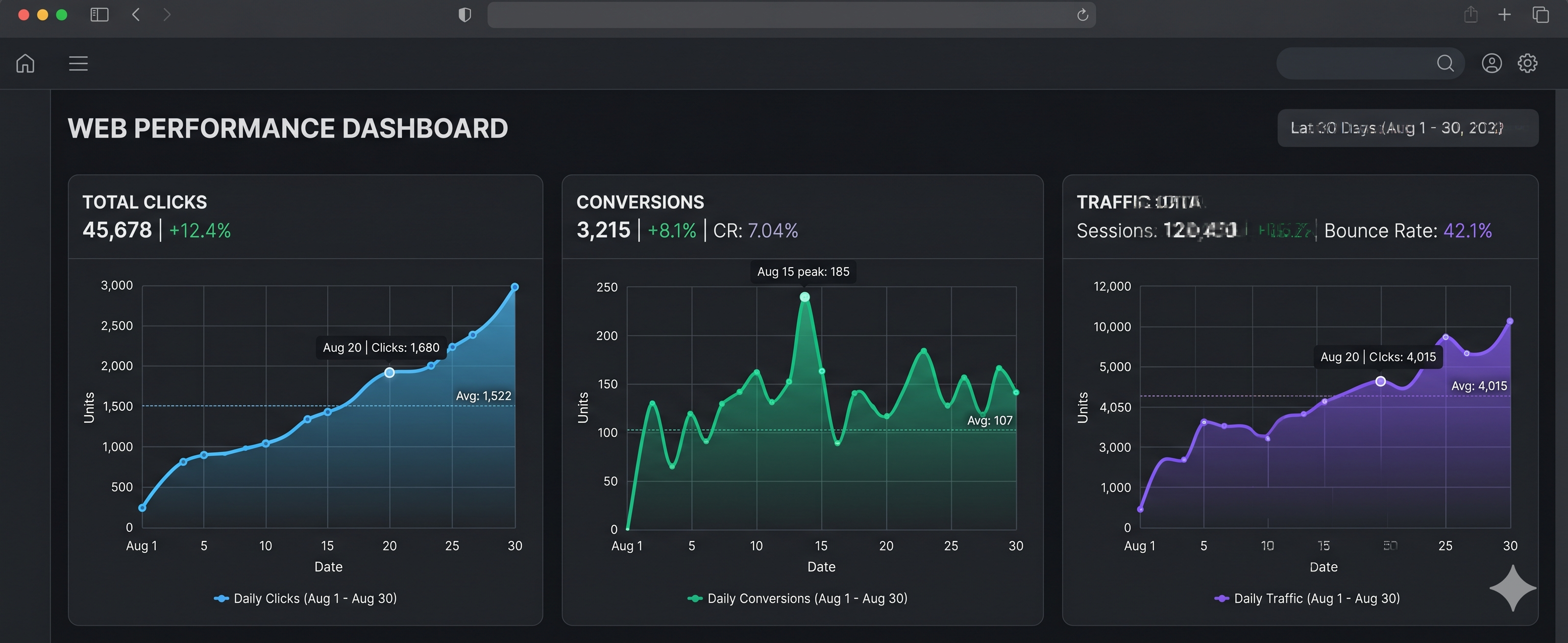
In digital marketing, there is a massive difference between raw data and actionable insight. Every day, millions of links are shared across social platforms, newsletters, and ad campaigns. Billions of clicks are tracked. Yet, the vast majority of brands and creators are running their traffic funnels completely blind.
Why? Because they are tracking vanity metrics instead of core performance signals. Knowing that your bio or shortened link got "10,000 clicks" this month feels great, but it doesn't tell you how many of those clicks turned into revenue, where those users live, or how long they stuck around.
If you want to transition from casual link sharing to data-backed conversion optimization, you need to look beneath the surface. Here are the three link analytics metrics that actually matter to your bottom line, and how to use them to fix a leaking pipeline.
1. Clean vs. Corrupted Clicks (Bot Filtering)
Not every click on your link comes from a real human being. The modern web is absolutely flooded with web scrapers, platform preview bots, and automated crawlers. Whenever you publish a link on X (Twitter), LinkedIn, or Facebook, those platforms automatically send a bot to "crawl" the page to generate a preview card.
If your link shortener or analytics tool counts every single bot hits as a legitimate click, your data becomes severely skewed:
Your apparent click volume looks massive.
Your downstream purchase conversion rate looks terribly low.
You end up making budget decisions based on ghost traffic.
Professional growth setups require advanced, server-side tracking that automatically filters out data noise caused by bots, presenting you with a completely clean number representing actual human intent.
2. Dynamic Traffic Referrals (Contextual Routing)
Knowing how many people clicked is step one. Knowing exactly where they came from is where the magic happens. Basic link analytics tools clump mobile traffic under generic buckets like "Direct" or "Unknown."
When you use tracking links equipped with UTM parameter preservation and clean referral parsing, you can instantly break down performance into distinct granular sources:
| Problem Scenario | What the Metric Reveals | Actionable Fix |
|---|---|---|
| High TikTok traffic, zero sales. | Viewers have high casual curiosity but lower purchase intent on mobile. | Simplify the mobile checkout page or use a 1-click email capture first. |
| Low newsletter traffic, massive sales. | Email subscribers are your highest-intent buyers. | Move more resources into building your email list over cold social posting. |
| Rapid spike in anonymous traffic. | Your link has been shared or embedded in a dark-social channel (like WhatsApp or Discord). | Audit the source to engage directly with that community cluster. |
3. Real-Time Conversion Over Time (Hourly Spikes)
Most platforms aggregate your traffic into daily or weekly charts. But in high-velocity social media environments, window opportunities open and close within hours.
If an influencer drops your link in an Instagram Story, or if you launch a thread on X, the traffic pattern looks like an immediate vertical spike that trails off within 180 minutes. Real-time, hourly reporting lets you see the exact velocity of your distribution. If a link goes live and traffic stalls immediately, you know your hooks failed and you can adjust the copy in real-time before losing the algorithm's favor.
Take Complete Control of Your Data Assets
Stop guessing where your audience goes when they leave your social media profiles. Stop relying on basic counts that clump human clicks with automated background noise.