.png)
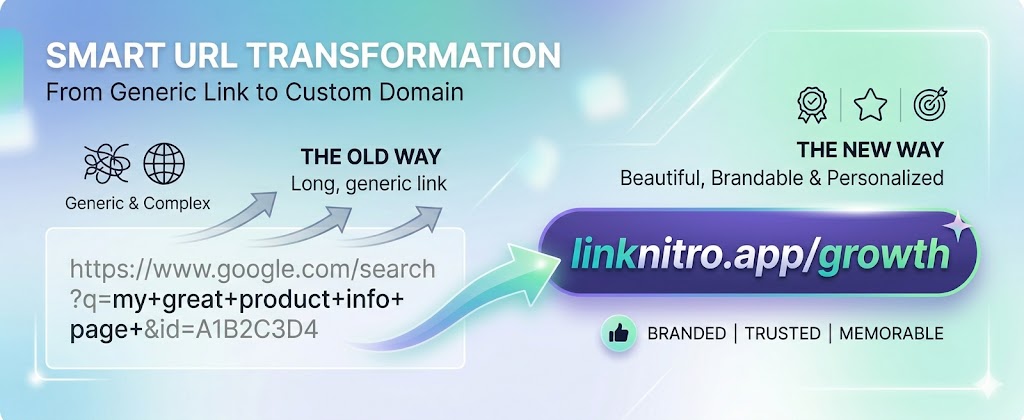
For years, the formula for sharing links on social media was simple: take a massive URL, drop it into a free generic shortener, and paste the resulting unbranded link into your post. It was quick, functional, and it solved the immediate problem of ugly, wrapping strings of text inside tidy caption windows.
But the internet has changed. Today's consumers are highly tech-literate and intensely cautious about digital security. When users see a random link string like bit.ly/3xK9Zq or [tinyurl.com/y29fbb](https://tinyurl.com/y29fbb), their subconscious risk-assessment kicks in.
To a modern internet user, an unbranded short link looks unpredictable. They don't know if clicking it will take them to a legitimate clothing store, an affiliate tracker, or a malicious phishing page. If you are masking your brand behind someone else's generic domain name, your traffic is taking a massive conversion hit.
Here is why generic link shortening is dying, and how migrating to a custom domain shortener safeguards your audience data while scaling your click-through rates.
1. The Psychology of the "Trust Premium"
When you mask your destinations using an external company's root domain, you force your audience to break away from your brand experience.
Using a custom domain (like [hub.yourbrand.com/deal](https://hub.yourbrand.com/deal) or go.yourname.app/join) changes the interaction completely. Because your explicit brand name is baked directly into the typography of the link structure, your audience knows exactly who is responsible for the destination.
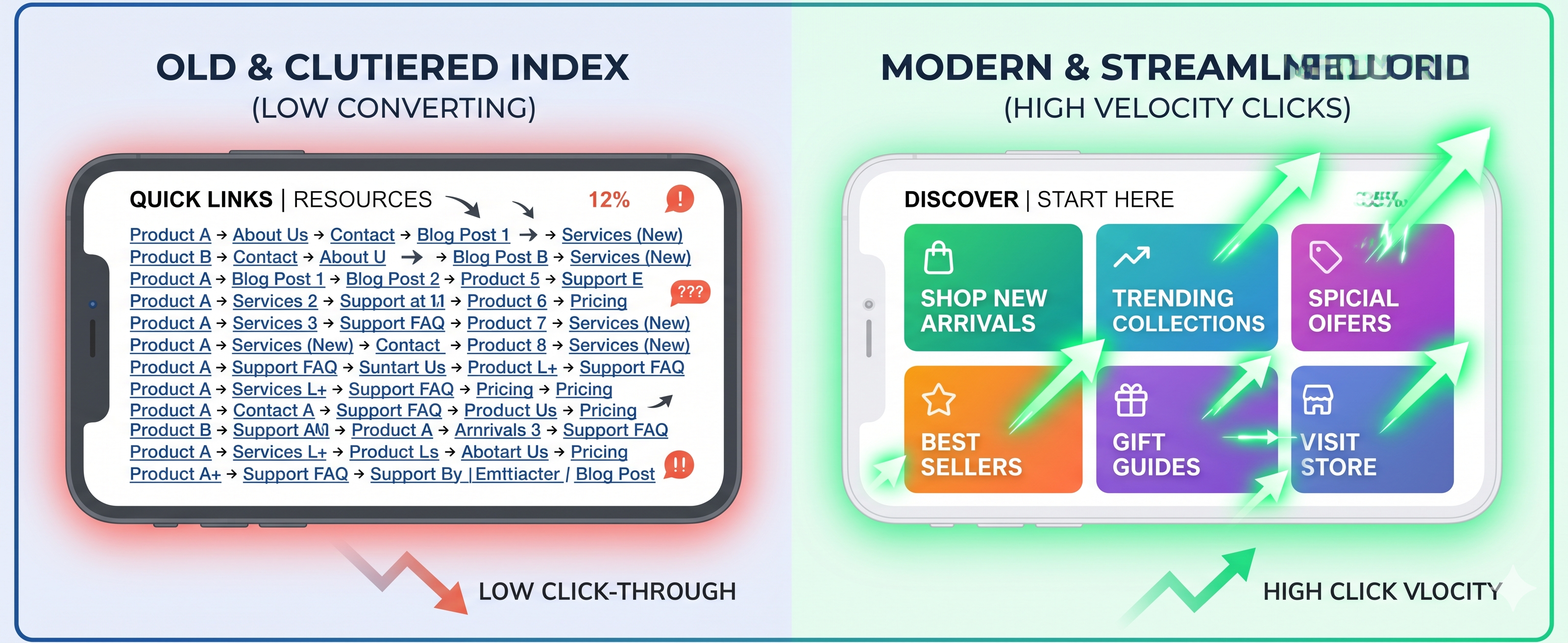
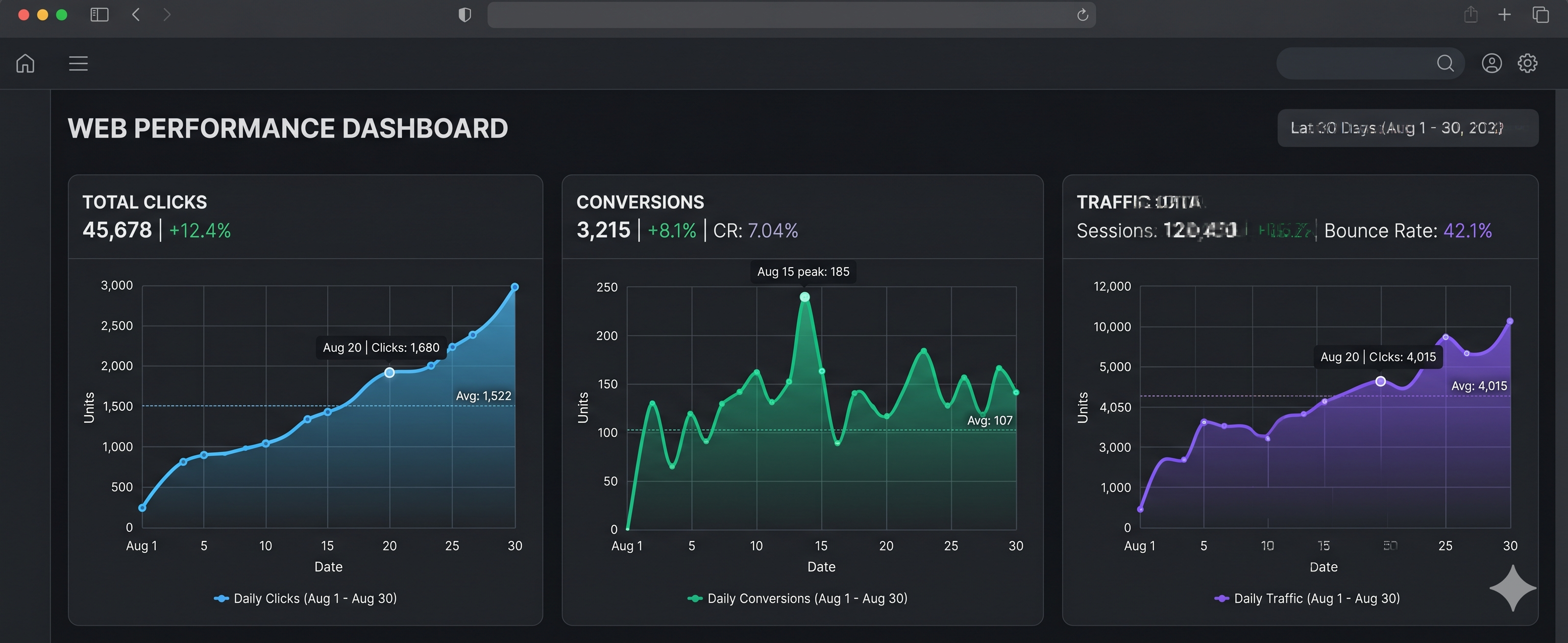
Independent conversion audits suggest that branded short links can achieve up to a 34% increase in click-through rates compared to completely unbranded, generic short links.
Trust isn't just a compliance issue; it is a direct multiplier of your marketing efficiency.
2. Total Shielding Against Domain Blacklisting
When you use a free public link shortener, you share digital space with millions of other internet users—including spammers, bad actors, and low-quality automation bots.
If a wave of malicious accounts uses the exact same generic shortener domain to blast spam across platforms like X, Facebook, or LinkedIn, network security filters will step in. Algorithms often flag or completely block the shortener's entire root domain.
| If you use... | The Core Risk | The Business Impact |
|---|---|---|
| Generic Public Domains | Another user's bad behavior can cause the entire platform domain to be blacklisted. | Your legitimate social media posts get shadowbanned or flagged as "unsafe." |
| Your Own Custom Domain | You have 100% control over your domain's reputation score and history. | Seamless, high-velocity link routing across all major social networks with zero platform interference. |
3. Persistent Analytics Ownership
When you drop generic links into your ecosystem, you rely entirely on an external platform's internal retention windows to view your traffic metrics. If that platform changes its tier structures or goes offline, your historical traffic data goes with it.
By anchoring your sharing framework to a custom domain mapped inside your own link management hub, you maintain continuous ownership of your historical data assets. You preserve complete tracking consistency across your multi-channel marketing campaigns, ensuring your user analytics remain stable year after year.
Take Control of Your Link Real Estate
Your brand identity doesn't stop at your logo or your profile picture—it extends to every single URL asset you put out into the world. Stop lending your brand's digital authority to generic shorteners.